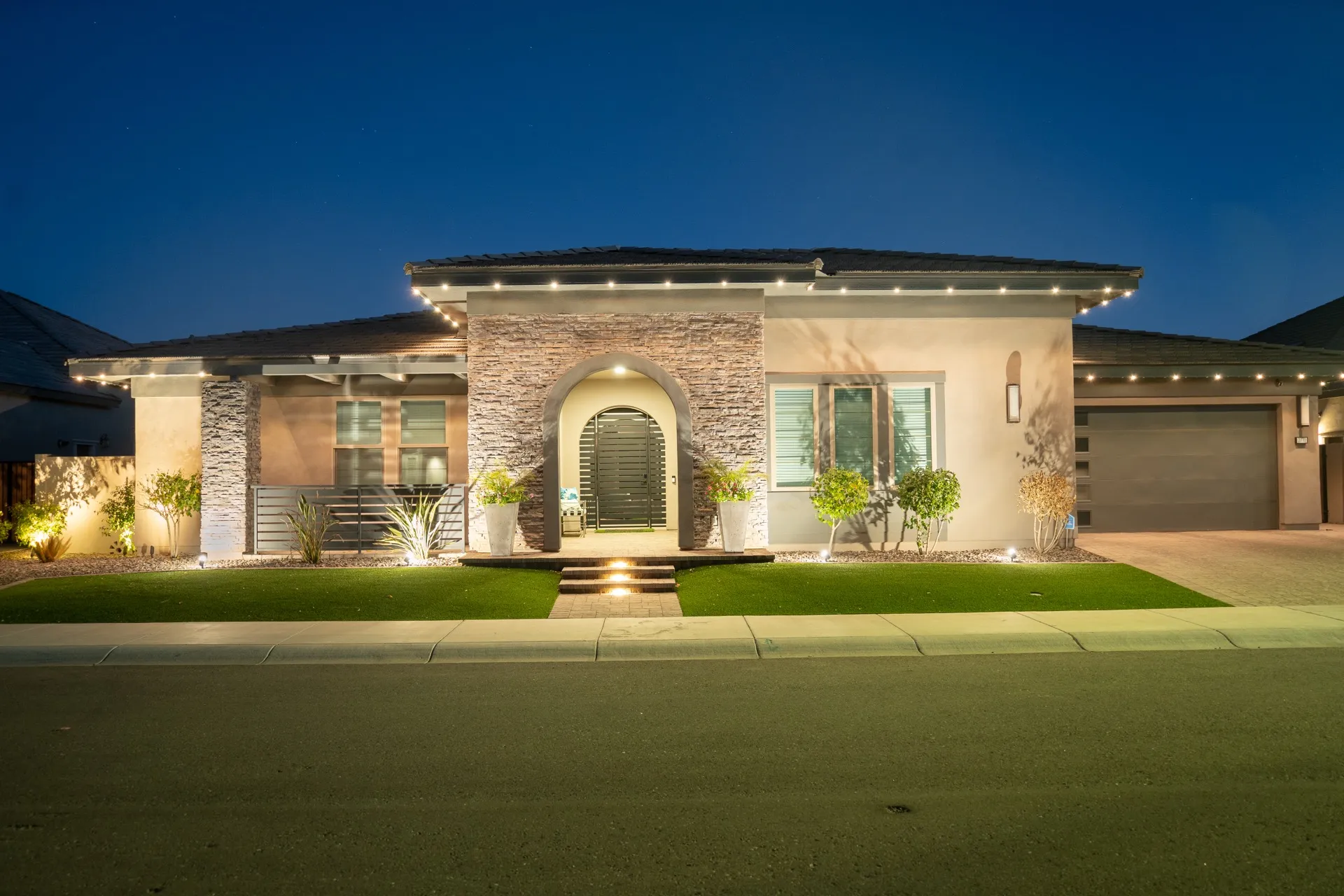
Product brands sold you lights. BriteBird hands you the platform to scale.
Add permanent lighting to the business you already run — without babysitting it or risking your brand.
Astoria Lighting — $15M, pure-play permanent lighting — runs on BriteBird.
The ones pulling ahead aren't better installers. They're running better systems.
Most operators run lighting like a trade — bid it, install it, chase the next one. The ones pulling ahead aren't better installers. They're running better systems: a quote model that knows which jobs to walk away from, numbers that show whether it's the add-ons or the base run carrying the margin, and product they don't have to pre-buy by the container.
The trade caps out at what your crews can reach in a season. The business keeps compounding.
The trade caps out. The business keeps going.
The operating layer you haven't built yet. Already running.
The quote model, the door scripts, the install sequence, and the lead-and-follow-up motion — the parts of a lighting line that normally cost you a few seasons of underbid jobs and dead callbacks to figure out. You skip that tuition. It's already dialed in.
The quote model that stops you underbidding
What actually holds margin per linear foot, which add-ons — color zones, music, transformer upgrades — close at the door, and where the job makes its money instead of bleeding it on labor and trip charges.
The handle for every objection you already hear
How to answer "it's too expensive," "can't I just do this myself with a kit," and "let me think about it" in the driveway — so the homeowner signs that visit instead of going quiet for three weeks.
Real training — the kind that actually stops callbacks
Not a folder of videos nobody opens. Hands-on training on track and channel routing, transformer sizing, and the connection and weatherproofing steps — so a green crew installs to standard and you stop eating flicker calls, dead sections, and water-in-the-channel failures.
Marketing material — anytime, anywhere
Every ad, flyer, door hanger, social post, and follow-up email — copies of everything, ready to grab and run from your phone or the truck. The stuff that fills the calendar, without paying an agency to rebuild it from scratch.
What you actually get. Real the day you start.
Five things you'd otherwise spend years and a payroll building — ordered by what's hardest to build on your own.
National-grade polish — with your name on it
You don’t white-label yourself away to us. It’s co-branded — your name on the materials, the warranty card, in front of every customer — so homeowners get the polish of a national brand and you stay the local company they hire and remember. The lighting stays local too: pattern folders tuned to your market — local team colors, the high school, the holidays your customers celebrate.
Support, but the kind that actually picks up
When a board fails at 9pm in October or a homeowner can’t get the app to connect, you reach someone who knows the product — not a ticket queue that answers in four business days. The support you wish your last supplier had.
The scripts, the pricing, the install flow
The quote model, the door scripts, and the install sequence — built into role-based training a new hire works through and gets checked off on, so a green crew installs to the same standard as your best one. Not a folder of videos nobody opens.
You stop being the manufacturer
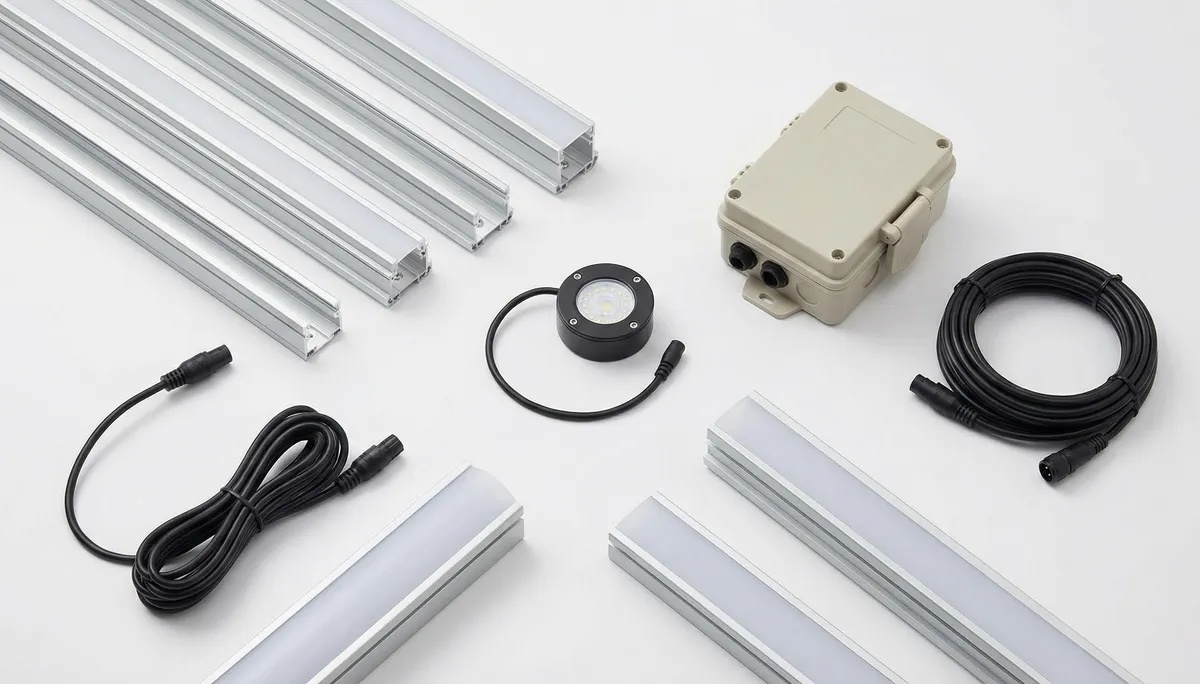
Proprietary product with a warranty backstop behind it — no container pre-buys, no customs roulette, no working capital frozen on a shelf during your peak.
A cohort you’d actually respect
A peer group of operators running the same systems — the people you can compare notes with on margin, close rate, and install times. No single shop has that view from its own numbers alone.
The brand earns the sale at the door. The platform keeps it from becoming your problem.
The tide's already turning.
The operators pulling ahead stopped treating lighting like a trade and started running it like a business — on a platform they didn't have to build. The rest are still bidding jobs one at a time. You can move with the tide, or watch it from the bank.
The caliber already in
Astoria Lighting — pure-play permanent lighting, no filler revenue — runs on BriteBird. The serious shops aren’t watching from the bank.
A founding cohort, forming
Early movers set the pace — and claim their market before the next operator down the road does. It’s early. That’s the whole point of getting in now.
By an operator, not a boardroom
The founder runs the same system in his own shop, with his name on customers’ houses. He won’t ship you something he wouldn’t install himself.
The other ways in. And where each one leaves you.
Before you commit to anything — the honest read on the alternatives, from operators who've run them.
Cheap China
Going directThe 11pm warranty call
A section goes dark on a customer's house the week before their party. That call comes to you now. So does the truck roll, the diagnosis, and the replacement part you have to source yourself.
Two whites on the same street
Two containers, two production runs, two slightly different whites — installed three doors apart. Nobody notices until the homeowners compare. Then everybody notices.
Cash frozen in inventory
To get the price, you pre-buy. Now your working capital is sitting on a shelf instead of funding crews, trucks, and the next season of growth.
Waiting behind a bigger buyer
When supply tightens, allocation goes to volume. You wait in line behind someone ordering ten times what you do — during the only months that matter.
The house brands
Buying into a product networkA box and a logo
You get a product and a name for the truck. The business — your pricing, your scripts, your install standards, your marketing — is still yours to figure out from scratch.
Training is a video library
A folder of how-to clips and maybe a class. Then you’re on your own to turn a green hire into a crew that installs to standard, season after season.
You scale alone
No peer cohort, no cross-dealer numbers. You’re guessing at your own margin, close rate, and install times with nobody at your level to compare against.
Cheap China hands you a container. A house brand hands you a logo. Neither hands you a business that runs without you.
Get in before the platform is public.
Founding Dealers don't pay later for a seat they could have had now. The window is open while the network is being built — and what you lock in carries forward.
Founding terms, locked
Your terms are set before public launch — and they don’t move when the public rate does.
A direct line to the founding team
Shape the roadmap. The features you need get built because you’re in the room while it’s being decided.
First pick of your service area
You name where you operate before the next operator in your market does. Move first, claim your ground first.
The most favorable pricing tier
Guaranteed access to the best pricing tier once it’s finalized. Founding seats price like founders.
Anchor Roster placement
Recognized as one of the operators the network was built around — not one who showed up after.
Intentionally small. Selective. It closes when it's full.
Tell us about your operation.
You apply. We qualify. If it looks like a fit, we'll reach out within 48 hours and the conversation covers everything — including what it costs.
A few minutes. The founding cohort is selective — we read every application.